
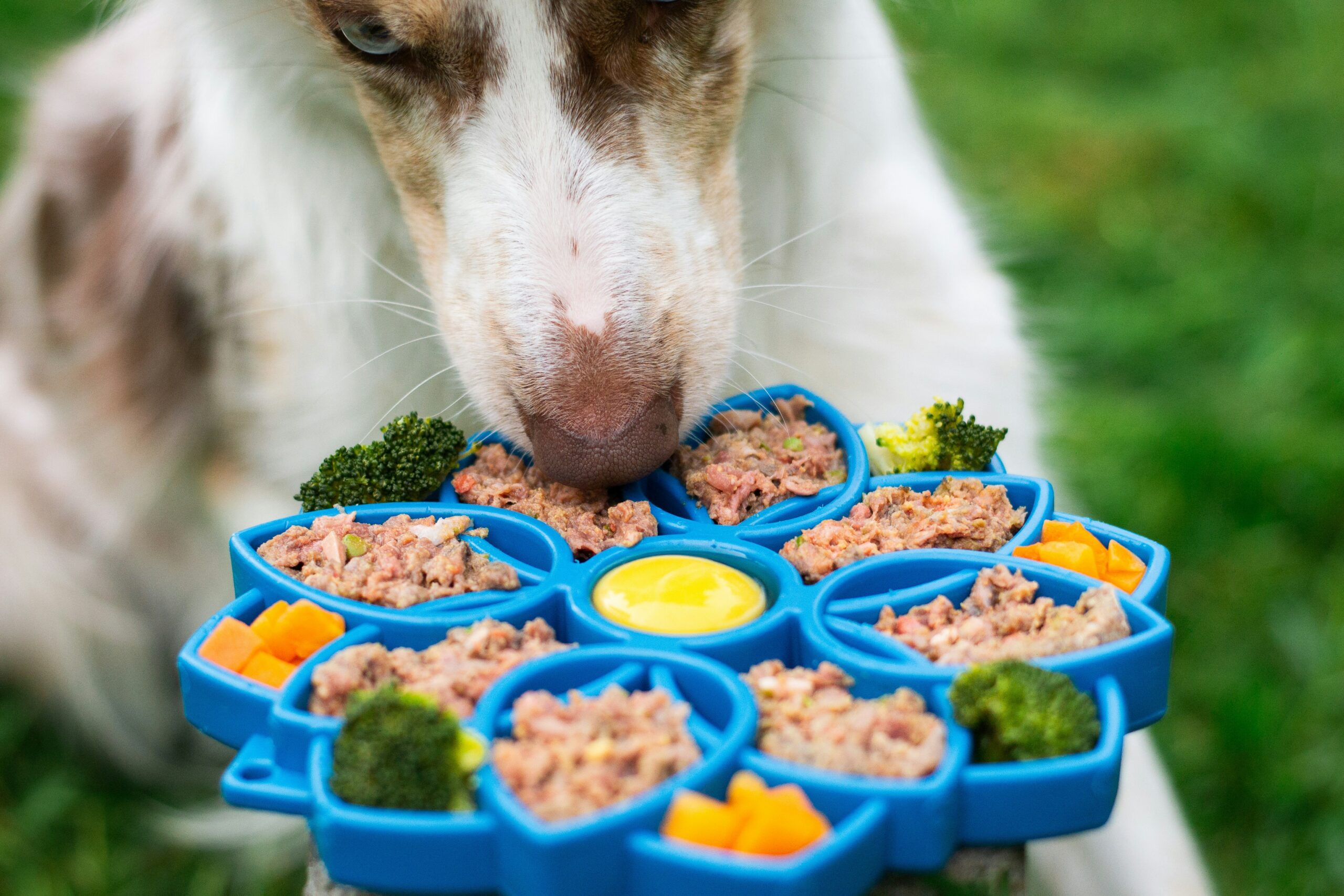
The worst time to realize you’re low on pet food isn’t a random Tuesday. It’s the week before a trip, when your dog is heading to a sitter or a boarding kennel and you hand over a half-empty bag like it’s someone else’s problem now. We learned that one the hard way with our own dog: a last-minute scramble to restock food and treats the night before a vacation, because the supply had quietly gotten slim and nobody noticed until it mattered.
This is the pillar guide for everything a pet actually needs, broken down by animal, with the same goal as our household essentials guide: stop finding out you’re out of something at the worst possible moment.
Pet ownership in the U.S.
Dogs and cats dominate American households, but they’re not the whole picture. According to the AVMA’s most recent Pet Ownership and Demographics Sourcebook, 77.5 million U.S. households (58.6%) own at least one pet. Dogs are the most common at 56.3 million households (42.6%), followed by cats at 43.1 million (32.6%). Past that, ownership drops off fast: freshwater fish sit at 3.4 million households (2.6%), reptiles at 2.4 million (1.8%), birds at 2.1 million (1.6%), small mammals like hamsters and gerbils at 1.1 million (0.8%), rabbits at 0.8 million (0.6%), and horses at 0.5 million (0.4%).
This guide goes deep on dogs, cats, and freshwater fish, the three categories most people actually deal with day to day. Dedicated guides for reptiles, birds, small mammals, and horses are planned, but we’re not going to pretend to have firsthand expertise on those yet.
What pet essentials actually cover
Every pet, regardless of species, needs the same basic categories covered: food and water, a safe space to live or sleep, health care and preventive products, grooming, and some form of mental or physical stimulation. What changes is the specifics, a cat’s litter box has no dog equivalent, and a dog’s leash has no use for a fish. The sections below break down what that actually looks like animal by animal.

Dogs
We had a Dachshund for 17 years, well past the breed’s typical 12 to 16 year lifespan, so most of what’s below comes from actually doing this, not just reading about it.
Food. We fed Pedigree for most of her life. It’s a widely available, affordable option that covers basic nutritional needs, and plenty of dogs do fine on it. If budget allows or your vet recommends it for a specific health issue, there are pricier, more protein-dense formulas too, but “expensive” isn’t the same as “necessary” for every dog. Look for a formula matched to life stage (puppy, adult, senior) regardless of which brand you land on.
Walking gear. We kept multiple leashes for a reason: a shorter leash for walks through the city, where tight control matters, and a longer leash for the forest or a park, where she had more room to explore safely. That wasn’t arbitrary. She’d try to chase cats given the chance, and a long leash near city traffic is a real hazard if a dog bolts after something. Match the leash to the environment, not just whichever one’s by the door.
Everything else. A properly fitted collar or harness (harnesses give better control for dogs that pull), a bed that supports joints as they age, a crate for training and safe travel, grooming tools (brushes and nail clippers at minimum), and toys for mental and physical stimulation. We’ve got dedicated guides on dog toys and outdoor toys for dogs if you want to go deeper on that piece specifically (both are getting a content refresh this week, so check back if something looks thin).
The lesson that actually cost us something: plan pet-sitting and boarding around your supply level, not the other way around. If a sitter is taking over for a week or two, hand over more food and treats than you think they’ll need, not less. Running out mid-trip means someone else is scrambling to find your dog’s usual brand on short notice, which is exactly the kind of stress this whole site is about avoiding.
Cats
Cats are lower-maintenance in some ways and more particular in others. A few things worth knowing, even without a cat of our own to draw on directly: the American Veterinary Medical Association and the Cornell Feline Health Center both point to consistent basics that hold up across most advice from vets and behaviorists.
Food. Cats are obligate carnivores and need taurine, an amino acid they can’t produce enough of on their own, which is why cat-specific food matters rather than substituting dog food. Wet food adds moisture that supports urinary health, a common issue in cats that eat only dry kibble.
Litter and boxes. The general rule from shelter and veterinary behavior guidance is one litter box per cat, plus one extra, kept in a low-traffic, easily accessible spot. Litter itself doesn’t expire and is one of the few genuinely safe bulk-buy items in this whole guide.
Everything else. A scratching post or climbing tree (redirects a cat’s natural scratching instinct away from furniture), a secure carrier for vet visits, and grooming tools suited to coat length, long-haired breeds need more frequent brushing to prevent matting. We’ve got a cat toys guide with more detail (also getting rewritten this week).
Freshwater fish
Fish ownership is a different kind of pet care entirely: less daily interaction, more environmental maintenance. The tank’s water quality is effectively the pet’s entire world, which makes a few items non-negotiable rather than optional.
The setup. A tank sized appropriately for the species and number of fish (overcrowding is one of the most common beginner mistakes), a filtration system to keep water clean and oxygenated, a water conditioner to neutralize chlorine and chloramine from tap water, and a test kit to monitor pH and ammonia levels. Tropical species also need a reliable heater, since temperature swings stress fish more than most new owners expect.
Ongoing supplies. Species-specific food (flakes, pellets, or frozen, depending on what you’re keeping), a net for safe handling, and basic cleaning tools for regular maintenance. Gravel, plants, and décor aren’t just cosmetic, they give fish places to hide, which measurably reduces stress in most species.
Traveling and boarding with pets
Whether it’s a vet visit or a week away, a few items make the logistics easier: a secure carrier or crate sized for the trip, collapsible travel bowls, a spill-proof water container, and a harness or car seat cover if your pet rides in the car regularly. For cats specifically, a travel-sized litter solution avoids the mess of trying to replicate a full litter box setup on the road.
The bigger lesson, the one we actually learned the expensive way, is about supply levels, not gear. Before any trip where someone else is taking over care, top off food and any medication to more than you think is needed. A sitter running low on a specific brand with no easy way to get more is a worse problem than carrying a slightly oversized bag home afterward.
Buying in bulk without wasting money or risking your pet’s health
The same logic from our household essentials guide applies here, match how much you buy to how fast the product actually holds up, not just to the size of the discount.
Dry pet food is the one to watch. An unopened bag generally holds up for around 18 months, but once it’s opened, quality starts declining fast, most guidance puts the realistic window at about six weeks before fats in the food begin to oxidize and the nutritional profile starts to change. That means one giant bulk bag isn’t automatically better than two medium ones if your pet won’t finish it within that window. Buy a size that matches how quickly it’ll actually get eaten, not just the best per-pound price.
Flea and tick prevention has more room to buy ahead, but don’t go overboard. Spot-on topical treatments typically stay effective for 18 to 36 months, oral pills and collars for 24 to 48 months. Even so, most veterinary guidance recommends buying only about a year’s worth at a time, since storage conditions at home are rarely as controlled as a pharmacy’s, and a product that’s been sitting in a garage through a few summers isn’t guaranteed to perform the same as one bought fresh.
Litter is genuinely bulk-friendly. It doesn’t expire and takes up space rather than losing effectiveness, so buy as much as storage allows.
Treats behave like food, not like litter. Once a bag’s open, treat it the same way you’d treat an opened bag of kibble: use it within a similar window rather than letting it sit for months.
If any of this sounds familiar, it’s the same shelf-life-first approach we use for household supplies generally. We’re working on a dedicated guide to storage and inventory management that’ll cover this in more depth across both the household and pet side; until that’s live, the short version is the same as always: know what you’ve got before you buy more, and keep an eye on expiration dates rather than assuming a product sitting in a cabinet is still at full strength.
Frequently asked questions
What should a new pet owner buy first? Food, bowls, a bed or crate, and basic safety gear (a collar and leash for a dog, a litter box and carrier for a cat) cover the first few days. Everything else, grooming tools, toys, travel gear, can be added once you know your pet’s specific habits and preferences.
Does pet food actually expire? Yes, though the unopened “best by” date only tells part of the story. Once a bag is opened, the clock resets in practice, air exposure causes the fats to oxidize within weeks, well before the printed date would suggest a problem.
How much flea and tick medication is safe to buy at once? Most products stay chemically effective for one to several years depending on the type, but veterinarians generally recommend buying about a year’s supply at a time rather than stockpiling further out, since home storage conditions vary and aren’t always ideal.
What’s actually different between dog and cat essentials? Dogs need more gear built around the outside world, leashes, harnesses, car safety, since they go out regularly. Cats need more gear built around managing an entirely indoor environment, litter boxes, scratching posts, climbing space, since most live their whole lives inside.
How do I prepare a pet’s supplies for boarding or a sitter? Send more food, treats, and any medication than you think is needed, not less. The risk isn’t carrying a little extra home afterward, it’s a sitter running low on a specific brand with no easy way to replace it.
Bottom line
Every pet needs the same broad categories covered: food, a safe space, health care, grooming, and stimulation, but the specifics and the shelf-life math differ by species. Buy food in a size that matches how fast it’ll actually get used, not just the best price per pound, buy preventive medication in reasonable amounts rather than years ahead, and if someone else is taking over care for a stretch, send more supplies than feels necessary. That last one is the lesson that actually cost us something to learn.
Products that make this easier
A quick note before the list below: this isn’t a live deals feed, it’s what we’d actually reach for in each category based on real use and current veterinary guidance, not a promise that any of it happens to be discounted right now. Click through and check the current price yourself.
| Category | Shelf life | Buy-ahead guidance | Essential items | Deal |
|---|---|---|---|---|
| Dog Food | ~18 months unopened, ~6 weeks once opened | Match bag size to consumption speed | Dry dog food (e.g. Pedigree or a vet-recommended formula) | 🛒 Check on Amazon |
| Cat Food | ~6 weeks once opened | Buy small, buy often | Dry and wet cat food with taurine | 🛒 Check on Amazon |
| Flea & Tick Prevention | 18-48 months depending on type | Buy about a year’s supply at a time | Spot-on treatment, oral pills, or collar | 🛒 Check on Amazon |
| Cat Litter | Doesn’t expire | Genuinely bulk-friendly | Clumping or non-clumping litter | 🛒 Check on Amazon |
| Walking Gear | Replace when worn | Keep at least two leash lengths | Short city leash, long park/forest leash, harness | 🛒 Check on Amazon |
| Fish Tank Supplies | Varies by product | Keep conditioner and test kits stocked | Filter media, water conditioner, test kit, fish food | 🛒 Check on Amazon |
Some links on this page may be affiliate links. If you purchase through one of these links, we may earn a small commission at no additional cost to you.