
Batteries are one of those everyday essentials you don’t think about, until you need them. Whether it’s a TV remote, batteries for a smoke detector, or your child’s favorite toy, the right battery can make the difference between convenience and frustration. Keeping a small stock of household batteries ensures your devices are always ready when you need them. But which batteries are truly essential for the average home? Let’s break it down.
Annual usage of batteries in the United States.
Yes, there is data on the annual consumption of household batteries in the United States. According to a report by Market Report Analytics, the U.S. household battery market consumes over 2.5 billion units annually. This consumption is broken down as follows:
- Alkaline batteries: Approximately 1.5 billion units per year.
- Lead-acid batteries: Around 500 million units annually.
- Lithium-ion batteries: About 400 million units each year.
- Other battery types: Approximately 100 million units annually.
This data highlights the significant role batteries play in daily life, powering a wide range of household devices.
Source: Market Report Analytics
| Battery type | Best for | Type | Annual US usage | Deal |
|---|---|---|---|---|
| AA | Toys, remotes, wall clocks, game controllers | Alkaline Rechargeable | Most widely used | 🛒 View deals |
| AAA | TV remotes, wireless mice, kitchen timers | Alkaline Rechargeable | Very high usage | 🛒 View deals |
| 9V | Smoke detectors, CO detectors, multimeters | Lithium Alkaline | Safety essential | 🛒 View deals |
| C & D | Flashlights, portable radios, large toys | Alkaline | Less common, high drain | 🛒 View deals |
| Coin cell (CR2032) | Car key fobs, watches, calculators, hearing aids | Lithium | ~100M units/year | 🛒 View deals |
| Rechargeable AA/AAA | High-drain devices: cameras, toys, controllers | Rechargeable | ~400M Li-ion units/year | 🛒 View deals |
The most common household battery sizes
AA Batteries
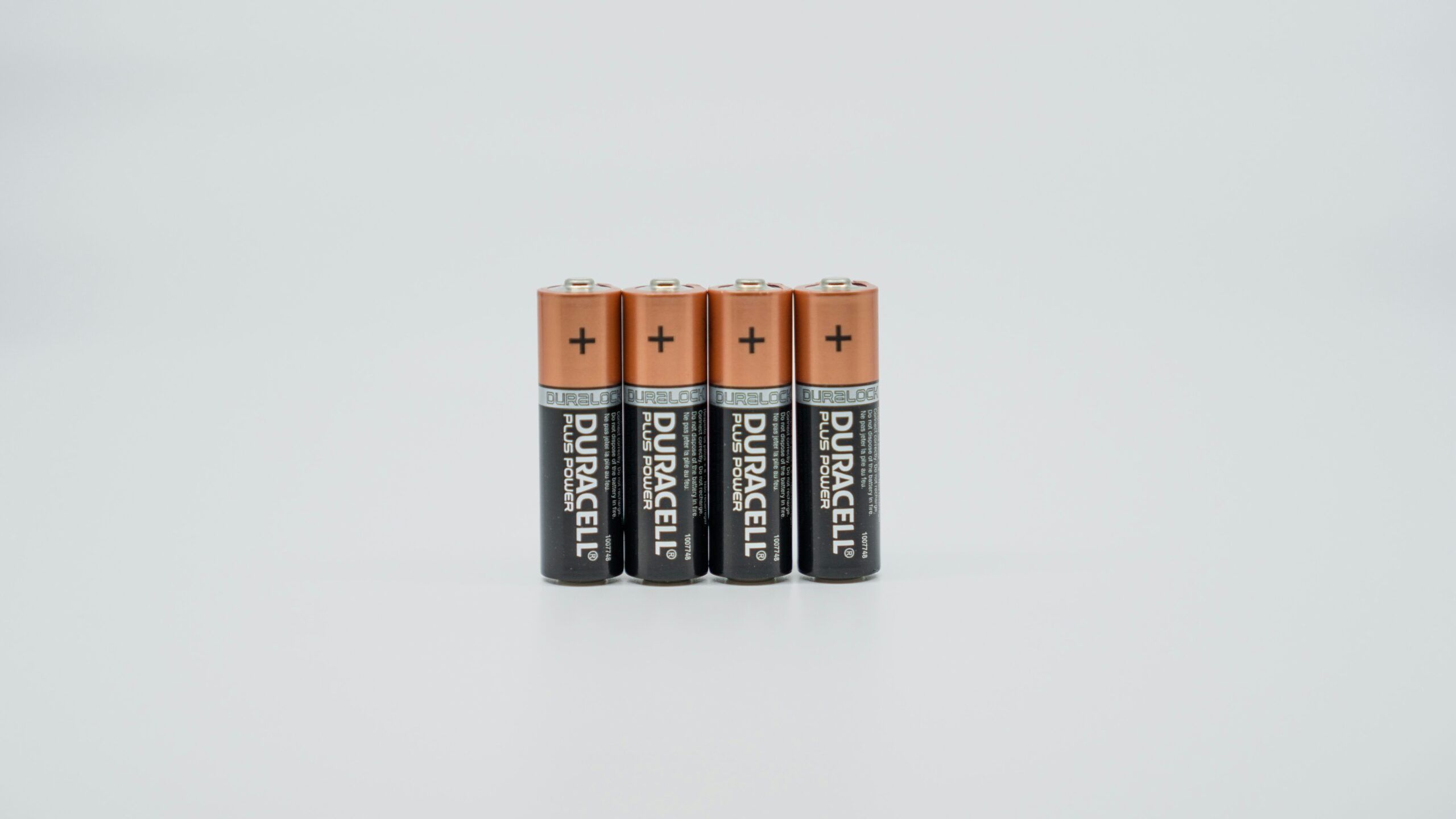
AA batteries are the most widely used household batteries. You’ll find them in toys, wall clocks, remote controls, and even wireless gaming controllers. If there’s only one type of battery you keep stocked, it should be AA.
AAA Batteries
Slightly smaller than AA, these are essential for devices like TV remotes, wireless mice, and kitchen timers. They’re just as important to have on hand.
C and D Batteries
These larger batteries are less common but are still needed for high-drain devices such as flashlights, portable radios, or certain toys.
9V Batteries
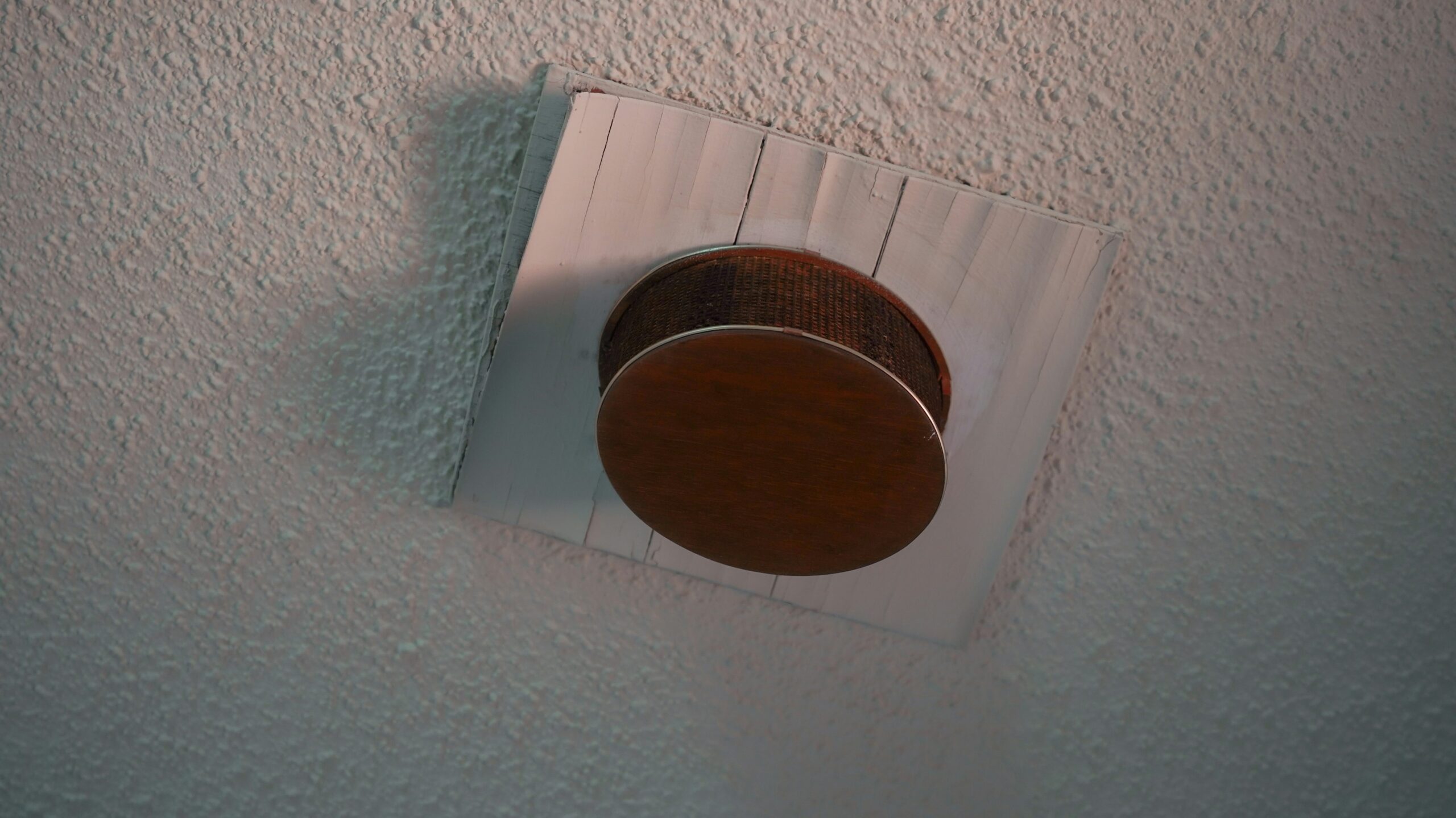
Best known for powering smoke detectors, 9V batteries are a safety essential. They’re also used in some multimeters and specialty devices.
Coin Cell (Button) Batteries
From car key fobs and calculators to hearing aids and wristwatches, coin cell batteries power many small electronics.
👉 Pro tip: If you only stock three types, go for AA, AAA, and 9V. Together, they cover most household needs.
Disposable vs. Rechargeable Batteries
When choosing household batteries, you’ll often face a decision: should you go with disposable or rechargeable?
- Alkaline Batteries (disposable): Affordable, easy to find, and perfect for low-drain devices like clocks and remotes.
- Lithium Batteries: Last longer and perform better in extreme temperatures. These batteries are great for smoke detectors and outdoor equipment.
- Rechargeable Batteries: Although these batteries cost more upfront, they will save money in the long run and reduce waste. We would advice to only use these batteries for high-drain devices like toys, cameras, and game controllers. If you use these type of devices a lot, investing in rechargeable AA and AAA batteries is a smart choice.
Which batteries do you need for common household devices?
- Remote Controls → AAA or AA
- Smoke Detectors → 9V or AA lithium (for long life)
- Children’s Toys → AA or AAA
- Flashlights → D, C, or AA (depending on the model)
- Wall Clocks & Alarm Clocks → AA
- Wireless Mice & Keyboards → AAA
- Gaming Controllers → AA or rechargeable packs
Tip: Keeping a mix of AA, AAA, and at least one spare 9V battery ensures you’re covered for most household devices.
Conclusion for household batteries
Batteries may be small, but they play a big role in keeping your household running smoothly. From safety devices like smoke detectors to everyday essentials like remotes and clocks, the right batteries ensure you’re never caught unprepared.
✅ At a minimum, keep AA, AAA, and 9V batteries on hand.
✅ Consider investing in rechargeables for high-use devices.
✅ Store a few extra for emergencies.
With the right battery strategy, you’ll never be left searching for power when you need it most.
Lithium batteries are commonly found in devices that need long-lasting, reliable power. In the home, they are often used in smoke detectors, digital cameras, flashlights, thermometers, and some remote controls. Many small electronics like calculators, car key fobs, and watches also use lithium coin cell batteries.
9V batteries are most commonly used in smoke detectors, making them an essential safety battery to always keep on hand. They also appear in carbon monoxide detectors, walkie-talkies, transistor radios, and certain toys or guitar pedals. While not as common as AA or AAA, 9V batteries are vital for specific high-safety devices.
The correct way to dispose of batteries depends on their type:
Alkaline batteries (AA, AAA, C, D, 9V): In many U.S. states, these can be thrown away in regular trash, but it’s best to check local recycling guidelines.
Rechargeable and lithium batteries: These should never go in household trash. They must be recycled at designated collection points, such as electronic stores or local hazardous waste facilities.
Keep batteries in a cool, dry place, away from direct sunlight and heat sources.
Store them in their original packaging or in a battery case to avoid contact between terminals.