
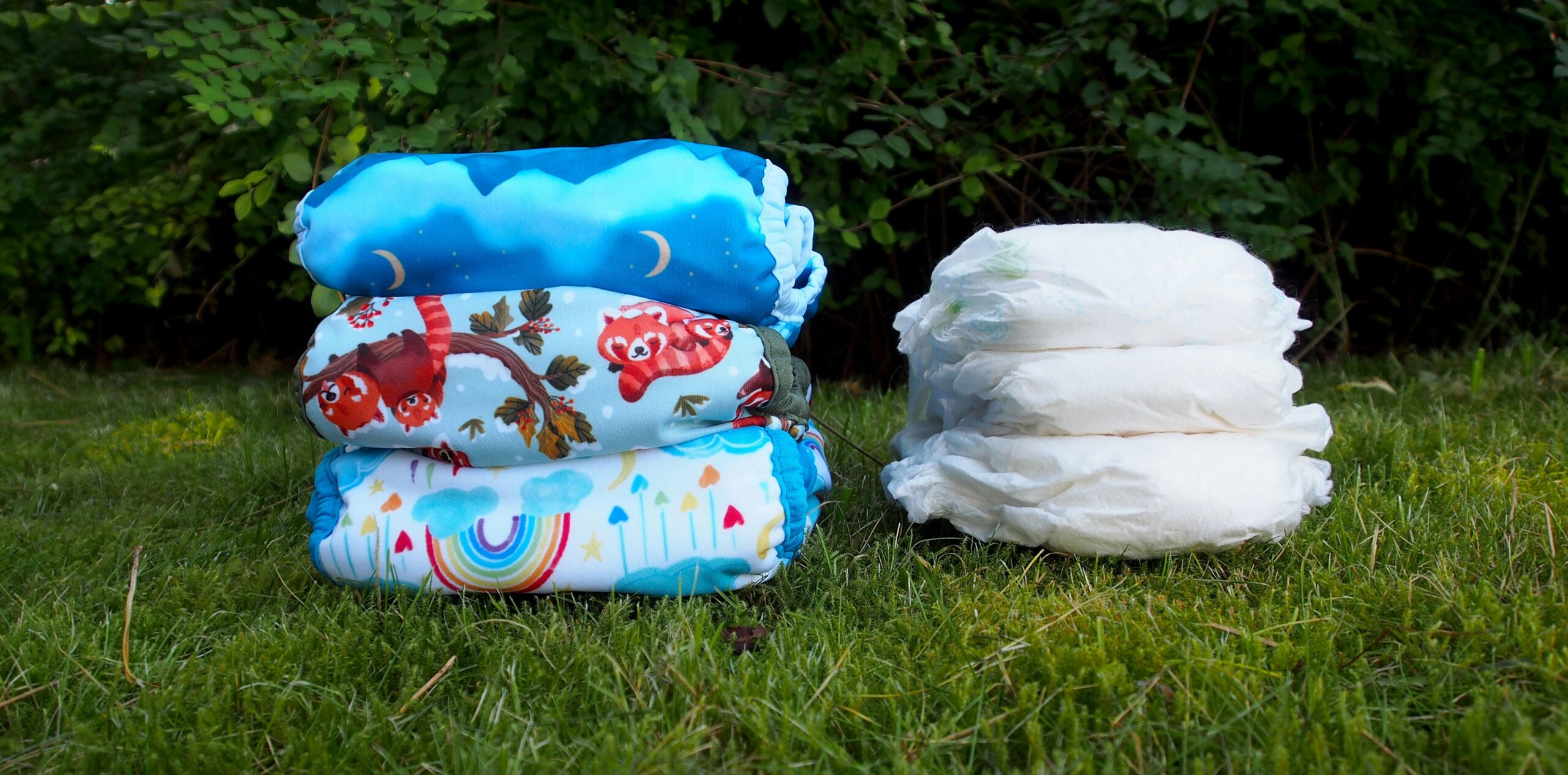
Diapers and wipes are at the heart of every parent’s daily routine. But choosing the right products goes beyond convenience — it’s about protecting your baby’s skin, managing costs, and even minimizing environmental impact. With countless options available, from disposable and cloth to sensitive-skin and eco-friendly solutions, it can feel overwhelming.
In this guide, we break down everything parents need to know about diapering, from the best products to practical hacks, so you can keep your baby comfortable, healthy, and happy.
Disposable vs Cloth Diapers
Disposable Diapers
Disposable diapers are the go-to for many parents thanks to their convenience and ease of use. They come in a variety of absorbency levels and sizes to fit newborns, infants, and toddlers. Modern disposable diapers often include features like wetness indicators and hypoallergenic liners.
Pros:
- Easy to use and dispose of
- Wide variety of sizes and absorbencies
- Convenient for travel and daycare
Cons:
- Can be costly over time
- Environmental impact due to waste
- Some babies may develop rashes from certain brands
Tips:
- Keep multiple sizes on hand — babies grow fast!
- Store diapers in a clean, dry space to maintain absorbency
- Rotate brands if your baby develops irritation
Cloth Diapers
Cloth diapers have made a comeback, thanks to new designs and eco-conscious parenting trends. They’re reusable, gentle on baby’s skin, and can save money over time if used consistently. Modern cloth options include snap closures, adjustable sizing, and highly absorbent inserts.
Pros:
- Reusable and eco-friendly
- Soft on sensitive skin
- Stylish patterns and variety
Cons:
- Requires frequent washing
- Initial investment higher than disposables
- Learning curve for proper fit and care
Tips:
- Use cloth-safe detergent to prevent residue buildup
- Pre-rinse in cold water before washing
- Consider liners to make cleanup easier
Sensitive Skin Solutions
Babies with sensitive skin need special care to prevent irritation. Choosing hypoallergenic diapers and natural ingredient wipes is key.
Tips for Sensitive Skin:
- Opt for fragrance-free wipes
- Rotate diaper brands to reduce irritation
- Use barrier creams or ointments proactively
Eco-Friendly Diaper Options
For parents looking to reduce environmental impact, biodegradable or compostable diapers are available. Subscription services for eco-friendly diapers can save money and reduce last-minute store runs.
Tips:
- Look for certifications like FSC or OEKO-TEX
- Check absorbency ratings to avoid leaks
- Consider hybrid cloth-disposable solutions
Diapering Hacks Every Parent Should Know
- Stock Smart: Keep at least 2–3 days’ supply at home
- Efficient Changing: Use a changing caddy for wipes, diapers, and creams
- Travel-Friendly: Pack travel-sized wipes and disposable inserts
- Storage Tip: Use sealed containers to keep cloth diapers organized
- Nighttime Routine: Consider overnight diapers or inserts for longer sleep stretches
External Sources
FAQ
Newborns typically go through 8–12 diapers a day, decreasing as they grow.
Yes, especially if you choose natural fabrics and avoid harsh detergents.
Absolutely — many parents use disposables for travel and cloth at home to balance convenience and sustainability.