
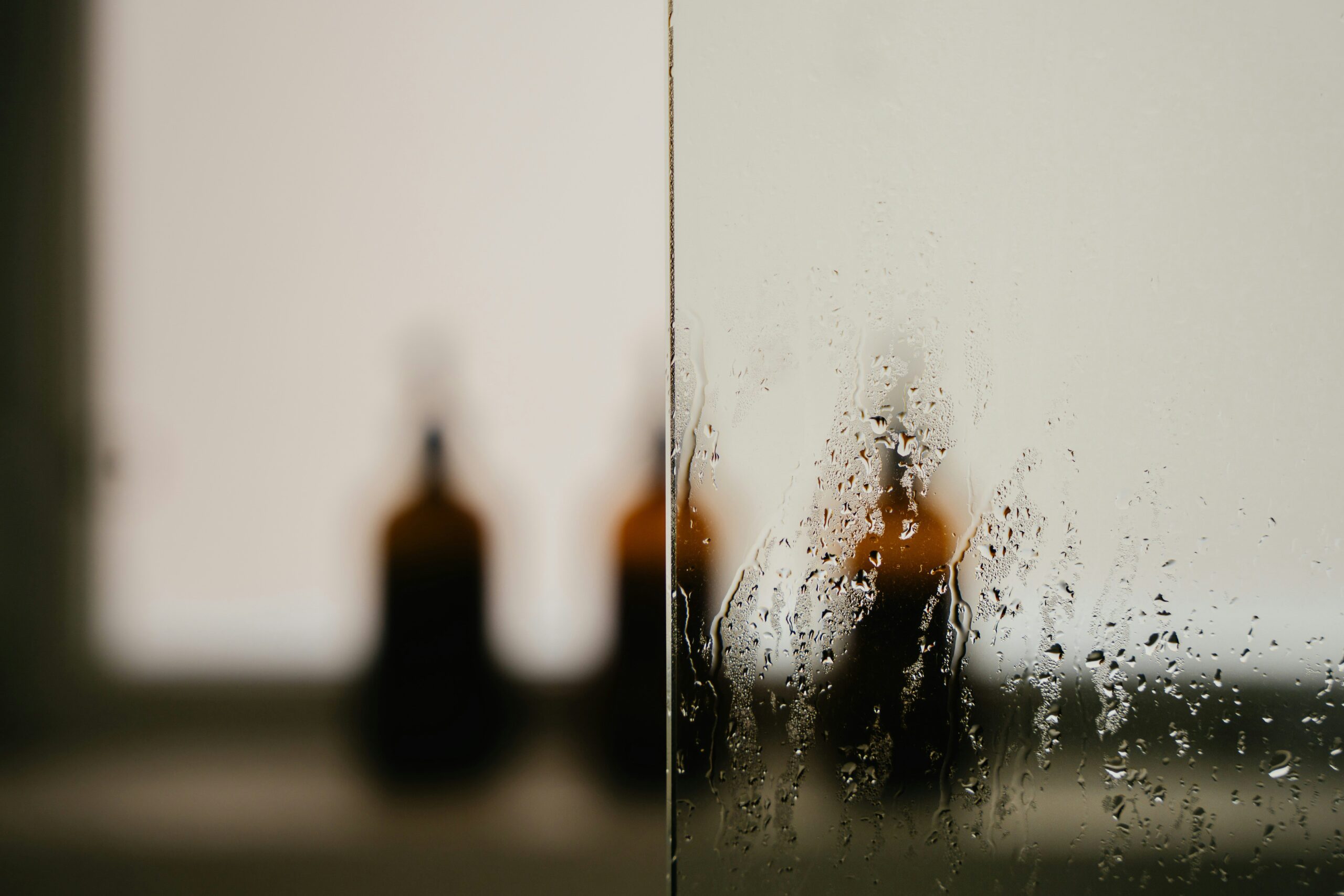
You know the moment. You’ve scrubbed the whole bathroom, it smells like a spa, and then you look at the shower door and it’s covered in these chalky white spots that make the whole room look neglected. That’s hard water doing its thing: calcium and magnesium riding along in the water, and when the water dries, the minerals stay behind on the glass.
The frustrating part is that this stuff doesn’t come off with regular glass cleaner. You need something acidic to break down the mineral deposits, and you need a little patience. Here’s what actually works. For the rest of the room, our bathroom cleaning hacks guide covers everything else worth knowing.
Supplies
- White vinegar
- Dish soap
- Spray bottle
- Non-abrasive sponge or soft pad
- Microfiber cloths
- Squeegee
- A commercial hard water remover, if the vinegar isn’t cutting it
Most of this is already under your sink.
Rinse the door first
Warm water, no shortcuts. This loosens soap scum and loose grime so you’re not scrubbing dried gunk into the glass along with the mineral deposits. If the door’s really bad, spend an extra minute on this step. It matters more than people think.
Mix your solution
Equal parts white vinegar and water in a spray bottle. That’s the base. A squirt of dish soap helps if there’s soap residue mixed in with the mineral buildup, which there usually is.
One thing worth repeating because people mess this up: don’t combine vinegar with bleach or anything chlorine-based. That’s not a “just to be safe” warning, it produces chlorine gas, which is genuinely dangerous in an enclosed bathroom.
Spray it on and walk away
Coat the stained areas generously and let it sit for 5 to 10 minutes. The vinegar needs that time to soften the mineral deposits so you’re not fighting the glass with brute force. If the buildup is thick, spray it again rather than reaching for a stiffer scrub pad.
Scrub, gently
Soft sponge or a non-abrasive pad, worked in small circles over the cloudy spots. Skip steel wool. Skip anything labeled “scouring.” One scratch on that glass is permanent, and it’ll bother you every time you shower for the rest of the time you own that door.
Stubborn spot not budging? Spray again, wait a few more minutes, try again. Slower is faster here.
Rinse everything off
Clean water, the whole door, including the corners and the track at the bottom where people forget to check. Leaving vinegar solution on the glass just means it dries into its own residue, which defeats the point.
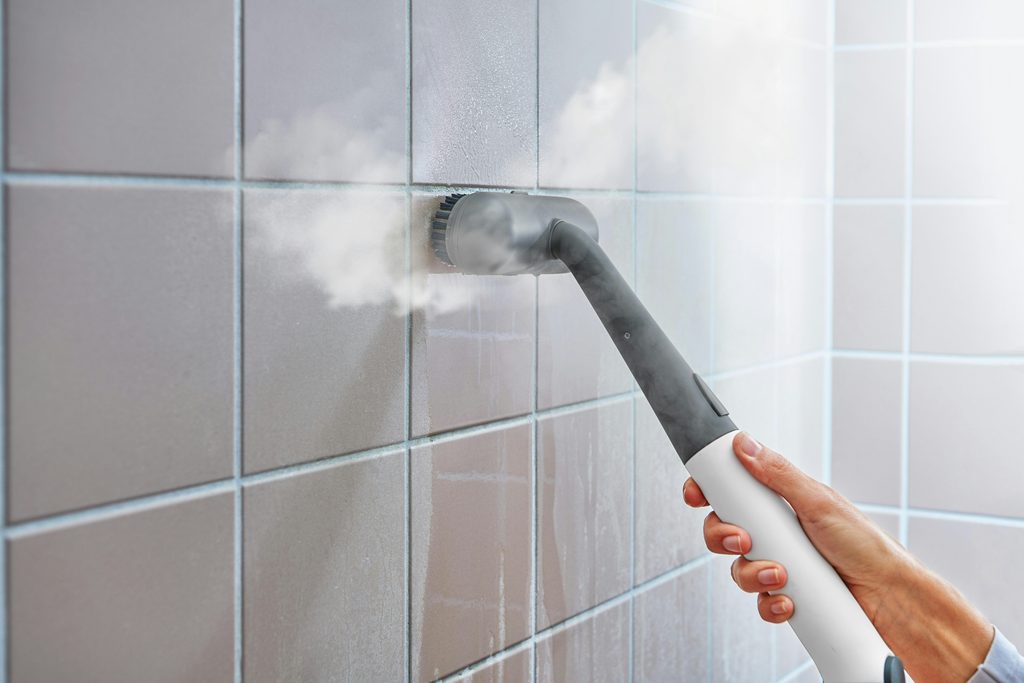
Photo by Aurum Gebäudereinigung Kassel on Unsplash
Dry it properly
Microfiber cloth, and don’t let the door air dry. Water that sits and evaporates on its own just deposits a fresh round of minerals, which is exactly the problem you spent the last twenty minutes fixing. Dry it, then go over it again with a clean cloth for a streak-free finish.
What if it still won’t come off?
Sometimes buildup has been sitting for months, maybe years, and vinegar alone won’t touch it. That’s when a dedicated hard water stain remover earns its keep. Buy one labeled safe for glass, test it in a corner first, and follow the instructions instead of guessing at contact time.
Whatever you do, don’t jump to something abrasive out of frustration. A scratched shower door is worse than a stained one. Stains you can remove. Scratches are forever.
Keeping it from coming back
Getting the glass clean is the easy part, honestly. Keeping it clean in a hard water area is the actual challenge.
Squeegee after every shower. Ten seconds, maybe fifteen if you’re thorough. This single habit does more to prevent stains than anything else on this list, because it removes the water before it has a chance to dry and leave anything behind.
No squeegee handy? A microfiber cloth works too. The principle is the same either way: get the standing water off the glass before it evaporates.
Clean weekly, not “when it looks bad.” By the time buildup is visible, it’s already harder to remove than it would’ve been a week earlier.
Run the exhaust fan. Moisture hanging around the bathroom feeds the whole cycle. Fan on during the shower, fan on for a while after, door cracked open if that’s practical for your setup.
Photo by Aurum Gebäudereinigung Kassel on Unsplash
Products worth having around
| Category | Volume (per year) | Frequency | Essential items | Deal |
|---|---|---|---|---|
| Squeegee | 1 replacement | Daily use | Shower squeegee | 🛒 View deals |
| Microfiber Cloths | 1 pack (multi-use) | Weekly wash | Microfiber cloths | 🛒 View deals |
| DIY Cleaning Solution | ~12 bottles | Weekly | White vinegar, dish soap, spray bottle | 🛒 View deals |
| Non-Abrasive Scrub Pad | 2–3 pads | Weekly | Non-abrasive sponge or soft pad | 🛒 View deals |
| Hard Water Stain Remover | 2–4 bottles | As needed | Commercial hard water stain remover | 🛒 View deals |
Some links on this page may be affiliate links. If you buy through one, we may earn a small commission at no extra cost to you.
How often should you actually clean the glass?
Squeegee after every shower, deep clean once a week. That’s the rhythm that keeps hard water from ever getting a foothold. If you notice spots coming back faster than that, your water’s probably harder than average, and you might need to clean twice a week until you get ahead of it.
FAQ
Yes, for light to moderate buildup. It loosens the mineral deposits so you can wipe them away. For stains that have been there a long time, you’ll likely need a dedicated remover instead.
I wouldn’t. Glass scrapers have their place on certain surfaces, but a razor blade on a shower door is an easy way to scratch the glass or damage a coating if there is one. Start gentle and only escalate if you genuinely have to.
Squeegee it after you shower. That’s really the whole trick. Everything else is maintenance on top of that one habit.
Mineral deposits, soap residue, or both. Wiping down the glass after each shower and cleaning weekly keeps it from building back up.
Bottom line
A vinegar-and-water spray, a few minutes of patience, and a soft sponge will handle most hard water stains without any drama. Once the glass is clear, a squeegee habit is what keeps it that way. And if you’ve got buildup that’s outlasted a few presidents, a proper hard water remover is worth keeping in the cabinet.
Looking for more ways to keep the rest of the bathroom in shape? Check out our full bathroom cleaning hacks guide for tips beyond the shower door.