
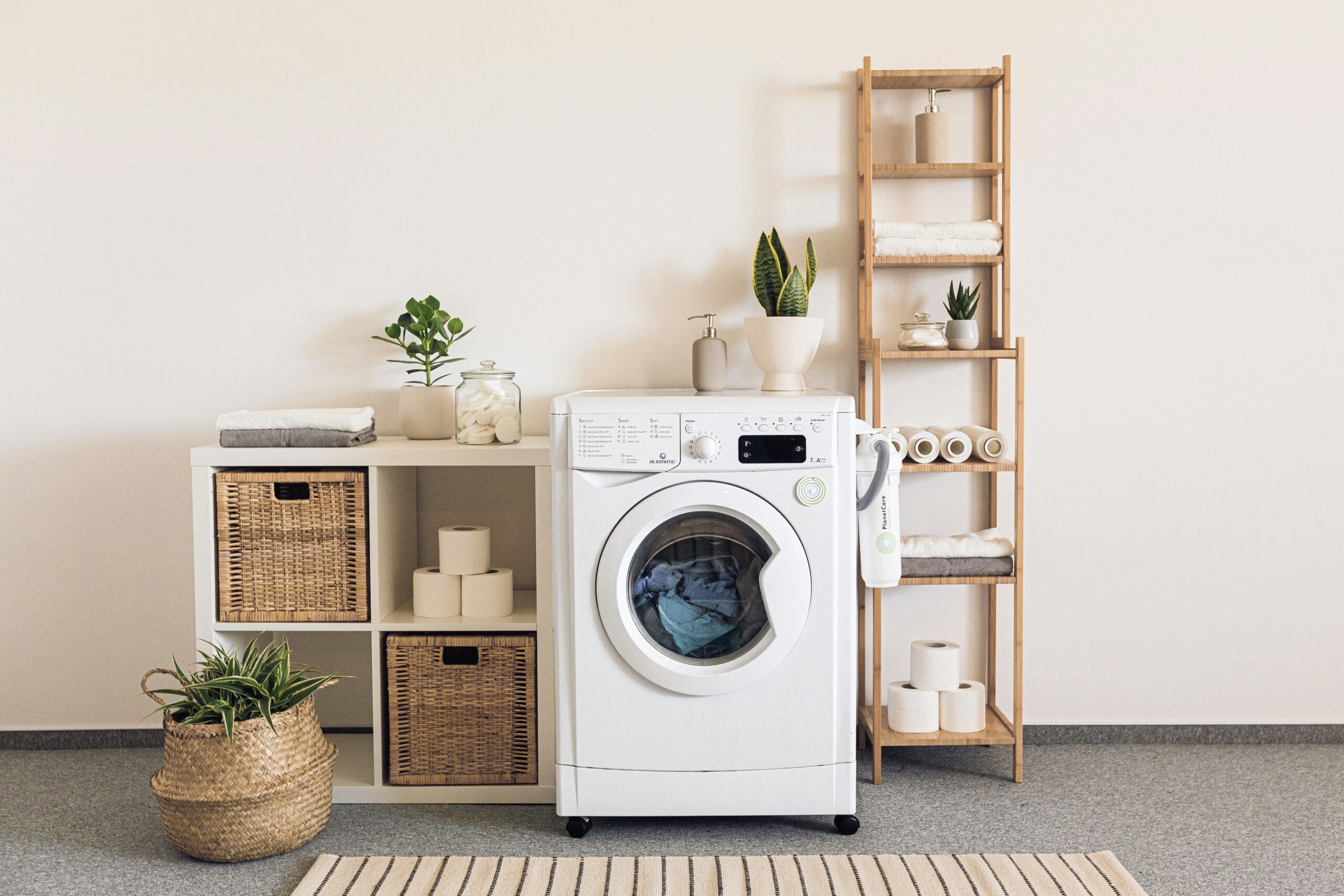
Laundry looks simple until you’re standing in front of the machine at 11pm wondering why your favorite shirt came out stiff and faded again. The truth is most laundry problems come down to two things: not having the right stuff on hand, and using the stuff you do have incorrectly. Fix both and the whole routine gets cheaper and less annoying. In this article we are going to cover all the laundry essentials you need.
This is a rundown of what’s genuinely worth keeping in your laundry cupboard, how often you should actually be washing things, and where most people quietly burn money every month.
What counts as a laundry essentials
Forget the marketing. A laundry essential is anything you reach for regularly to get clothes clean and keep them that way. Detergent is the obvious one, but it’s only the start. You also want a decent stain remover, fabric softener if you use it, and maybe one specialty product for the delicates you care about.
These work together. Detergent lifts dirt, stain treatments rescue the stuff detergent can’t, and softener handles static and stiffness. When a shirt fades fast or a stain “won’t come out,” it’s almost never the fabric’s fault. It’s the wrong product or the wrong wash.
The laundry shortlist that actually matters
Detergent first, because it does the heavy lifting. Liquid is your all-rounder and handles grease well. Powder is cheaper per load and great for ground-in dirt and mud, so it’s a good pick if your household goes through a lot of grubby clothes. Pods are convenient and you’ll pay for that convenience on every single wash.
Fabric softener is optional and worth being a bit careful with. It’s great for towels and cotton, but keep it away from sportswear and microfiber, where it coats the fibers and kills their whole job.
If you only upgrade one thing, make it your stain remover. A good enzyme-based one saves more clothes than an expensive detergent ever will, because enzymes break down the organic stuff (food, sweat, grass) that ordinary detergent just smears around.
The last piece isn’t a product at all. It’s a couple of baskets so you can sort as you go. Sorting before you wash is the cheapest insurance against the classic disaster of a red sock turning a white load pink.
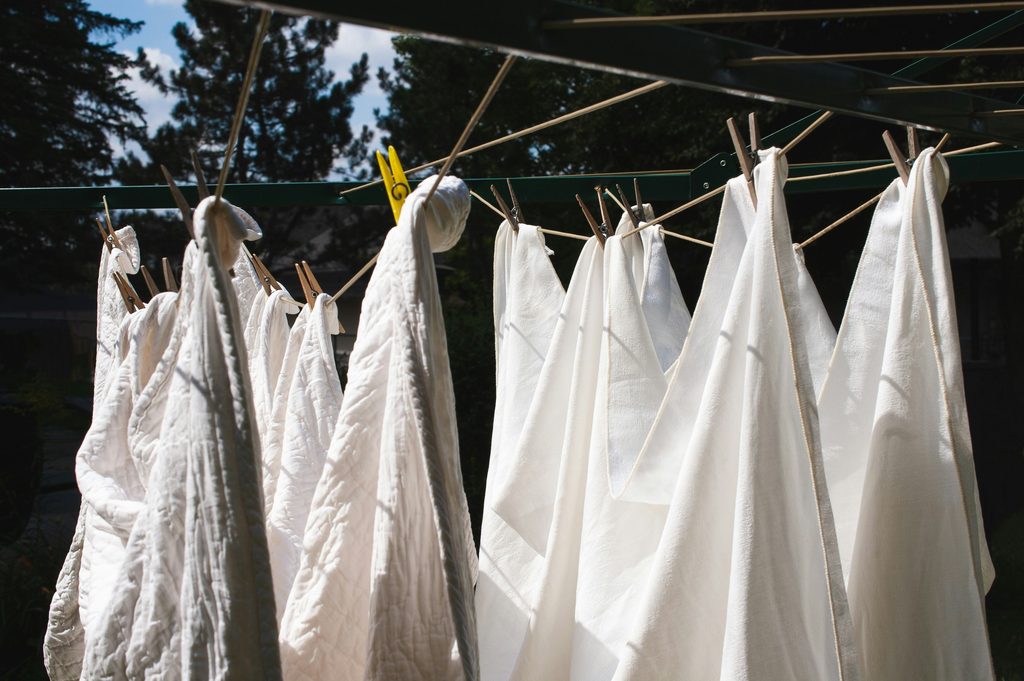
Photo by Megan Lee on Unsplash
How often should you really do laundry?
It depends on your household, but here are the rough rhythms most homes settle into. Everyday clothes get washed once or twice a week. Towels are about weekly if you use them daily, since they hold onto moisture and bacteria more than they look like they do. Bed sheets are best every one to two weeks. They collect sweat, dead skin, and dust mites even when they seem perfectly clean, which is one of those facts that’s nicer not to think about. Read more about our bedroom cleaning hacks to have a clean and fresh bedroom in minutes.
Workout gear is the exception: wash it after every single use. Sweat breaks down the fibers over time and bakes in odor that no amount of febreze will fix later. Jeans and jackets, on the other hand, can go several wears unless they’re visibly dirty. Washing jeans constantly just wears them out faster.
A steady schedule mostly matters because it stops the dreaded pile-up, and a pile-up tempts you into giant, inefficient loads that cost more to run.
Where the money actually leaks
Small habits move the needle here more than people expect. There’s timing. In parts of the U.S. with time-of-use electricity pricing, running laundry at night or early morning can be cheaper. But this only matters if your utility actually charges different rates by time of day—many households still don’t. Set a delay timer and let it run while you sleep if this is the case.
Air-drying is the other big saver. Dryers are convenient and they’re also energy hogs that slowly cook the life out of your fabrics. A rack indoors or a line outside costs nothing to run and your clothes keep their shape and stretch far longer. The trade-off is time, and that’s about it.
Buying in bulk helps too, as long as you have the space, just like with food storage. Detergent, softener, and stain remover all last ages, so the bigger container almost always works out cheaper per wash and means fewer plastic bottles in the bin.
| Category | Best Deal Type | Why It Saves Money | Essential Products | Deal |
|---|---|---|---|---|
| Bulk Laundry Detergent | Large bottles / multi-liter packs | Lower cost per wash when bought in bulk | Liquid detergent (family size, concentrated formula) | 🛒 View deals |
| Laundry Pods | Value packs (60–200 count) | Pre-measured doses reduce waste and overdosing | Detergent pods / capsules | 🛒 View deals |
| Stain Removal Essentials | Multi-pack sprays & refills | Cheaper than replacing stained clothing | Enzyme stain remover, pre-treatment spray, stain pens | 🛒 View deals |
| Fabric Softener | Economy refill bottles | Refills reduce packaging cost and price per load | Liquid fabric softener / conditioner | 🛒 View deals |
| Oxygen Bleach / Whitening | Large tubs (multi-use powder) | Extends clothing lifespan and restores whites | Oxygen-based cleaner, color-safe bleach | 🛒 View deals |
| Eco Dryer Solutions | Multi-pack wool dryer balls | Reusable alternative to dryer sheets (long-term savings) | Wool dryer balls, reusable dryer additives | 🛒 View deals |
| Delicates & Fabric Care | Bundle packs | Prevents damage to expensive clothing | Mesh laundry bags, delicate wash detergent | 🛒 View deals |
| Drying & Air Care | Foldable rack sets | Reduces electricity use from dryers | Drying rack, indoor clothes airers, hangers | 🛒 View deals |
Getting stains out without ruining the garment
The single most important rule: move fast. A fresh stain is easy. A stain that’s been sitting for a week and through a hot dryer is a whole project. Different stains want different treatment. Grease responds well to a dab of dish soap before washing. Blood and sweat are protein-based, so they want cold water and an enzyme cleaner. Fruit and wine usually need a proper stain remover worked in before the wash. Grass takes detergent plus a bit of patient scrubbing.
And here’s the rule that catches everyone out: hot water sets protein stains. Pour hot water on a blood or sweat stain and you’ve basically cooked it into the fabric for good. When you’re not sure what you’re dealing with, start with cold. You can always go hotter later; you can’t undo a set stain.
The mistakes that quietly destroy clothes
Most worn-out clothing isn’t worn out from wearing. It’s from washing it wrong. Too much detergent tops the list. More soap doesn’t mean cleaner clothes. It means residue that never fully rinses out, and that residue actually attracts dirt, so your “extra clean” load gets grimy faster. Use less than you think. Overloading the machine is the next one. Cram it full and the clothes can’t move, which means they can’t actually get clean, and you end up rewashing anyway. Give them room to tumble.
Then there’s fabric. Wool and silk need a gentle or dedicated cycle, not your normal cotton setting. Synthetic sportswear should skip softener entirely, for the fiber-clogging reason from earlier. Almost all of this is printed right there on the care label, which takes ten seconds to read and can add years to a garment’s life.
The laundry essentials: It’s all one system
Laundry isn’t a standalone chore so much as one corner of how your whole home runs. When your supplies are stocked and your washing habits are consistent, everything downstream gets easier: less scrambling for clean towels, fewer ruined shirts, lower bills. It sits right alongside your cleaning supplies and storage as part of keeping the place livable without thinking about it too hard.